The Best Homeschool Spelling & Vocabulary Curriculum for Every Age in 2026
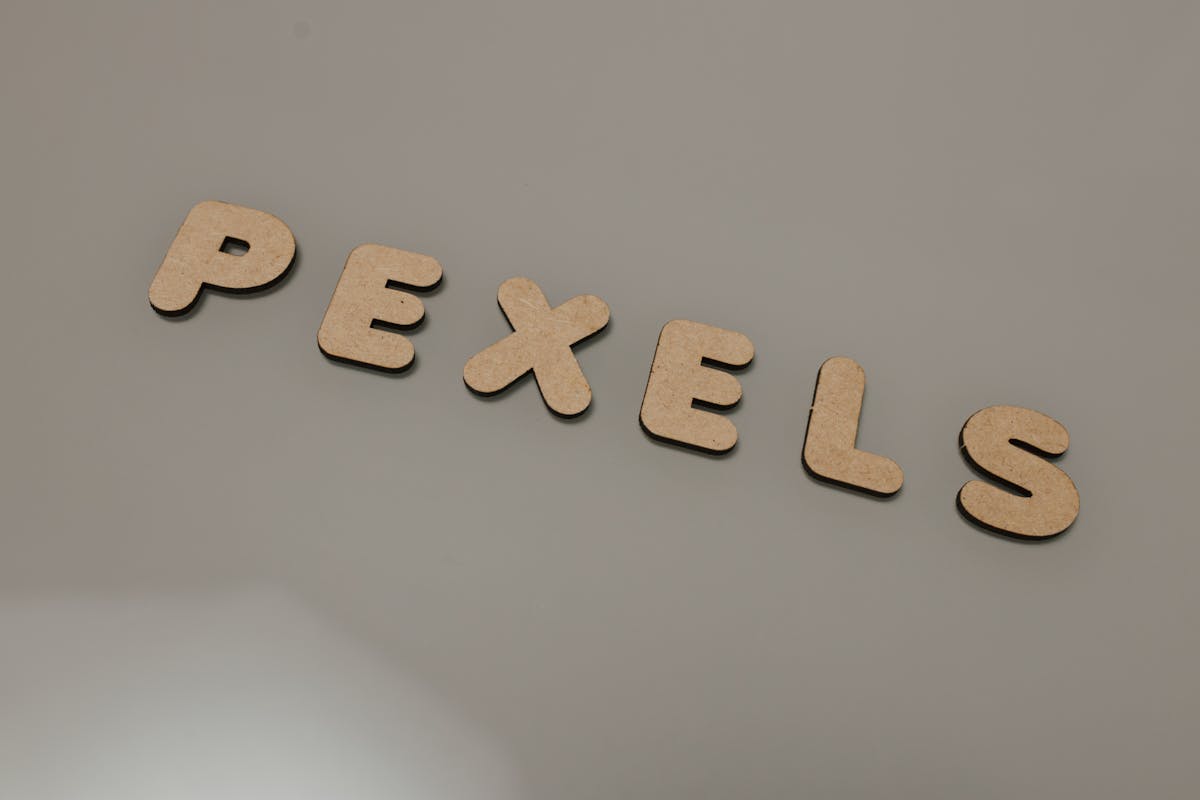
Spelling and vocabulary are the quiet workhorses of a strong language arts education. Long after the phonics lessons are finished, it is a child's growing bank of words — and the ability to spell them correctly — that powers confident writing, fluent reading, and sharp test performance. The good news for homeschooling families is that you do not need an expensive boxed program to teach either subject well. From hands-on letter toys for preschoolers to root-based vocabulary study for college-bound teens, there are excellent spelling and vocabulary resources at every age and price point.
This guide walks through the best homeschool spelling and vocabulary curriculum for 2026, organized by age group, with plenty of free options mixed in. Whether you want a gentle, multisensory approach for a struggling speller, a rigorous SAT vocabulary program for a high schooler, or simple printable practice you can start tomorrow, you will find a fit here. Spelling and vocabulary pair naturally with the rest of your language arts program, so consider how these resources complement your reading and phonics and writing plans.
Why Teach Spelling and Vocabulary at Home?
It is fair to ask whether spelling still matters in an age of autocorrect. The research says yes. Strong spellers read more fluently because they recognize word patterns instantly, and they write more freely because they are not stopping to puzzle over every word. Spelling instruction also reinforces the phonics patterns and sight words children learn early on, cementing them into long-term memory.
Overwhelmed by all the options?
We built a grade-by-grade planner that shows you exactly what to cover — and which resources match your style.
Download the planner →Vocabulary, meanwhile, is one of the single strongest predictors of reading comprehension and academic success. A child who knows more words understands more of what they read, writes with more precision, and scores higher on standardized tests. For teens, a deliberate vocabulary program is one of the highest-return investments you can make ahead of the SAT and ACT — see our test prep guide for how it fits into a complete plan. Homeschooling gives you the flexibility to weave both subjects into everyday life: a spelling list drawn from this week's history reading, or a new vocabulary word discussed over dinner, often sticks better than anything from a workbook.
Preschool and Kindergarten (Ages 4-6)
At this stage, "spelling" means playing with letters and sounds. The goal is to build phonemic awareness and letter recognition through hands-on, low-pressure activities rather than formal lists.
The Melissa & Doug See & Spell Learning Toy from Melissa & Doug is a wonderful first introduction to spelling. Children fit chunky wooden letters into picture boards to build simple words, connecting letters, sounds, and meaning through play. It is screen-free, durable, and endlessly reusable.
Alphabet Sounds Word Study from The Measured Mom / Reading Mama is a gentle preschool resource that pairs each letter with its sound and beginning-sound practice — the essential pre-spelling skill. For families who want a little screen time, the The Spelling Bee app from TipTapTech and PBS Kids' free Spelling Games turn early word-building into play for kindergartners.
If you want to start a true spelling curriculum at this age, All About Spelling from All About Learning Press is the gold standard. Its multisensory, Orton-Gillingham-based approach uses letter tiles and review cards to teach spelling rules in a logical sequence, and it works beautifully for kindergartners through 7th graders, including children with dyslexia.
Elementary School (Grades 1-5)
Elementary is when formal spelling instruction takes off. Most families settle into a weekly rhythm — introduce a pattern or list, practice through the week, and review on Friday — while steadily growing vocabulary alongside reading.
All About Spelling Level 1, Level 2, and Level 3 carry the multisensory approach through the elementary years, building from short vowels and simple syllables to more complex rules. For an open-and-go workbook instead, the Spectrum Spelling series — available for Grade 3, Grade 4, and Grade 5 — offers affordable, no-prep practice that connects spelling to phonics and dictionary skills.
Pearson's MCP Spelling Workout is another popular workbook-based program, with dedicated books for 1st grade, 2nd grade, 3rd grade, 4th grade, and 5th grade. Evan-Moor's Building Spelling Skills books for 3rd and 4th grade are equally well loved for their daily-practice format.
If you prefer a gentler, literature-based path, Spelling Wisdom from Simply Charlotte Mason teaches spelling through prepared dictation of beautiful passages — a Charlotte Mason approach that builds spelling, copywork, and vocabulary at once. Spelling Wisdom Book 2 continues the sequence for older elementary students. And Perfection Learning's Spelling with Integrated Language Arts ties spelling directly to grammar and writing for grades 1-6.
For vocabulary at this age, Wordly Wise 3000 from ESP Learning is the most trusted name in homeschool vocabulary, with sets for Grade 4 and Grade 5 that introduce 15 carefully chosen words per lesson through engaging exercises. Vocabulary Cartoons uses funny visual mnemonics to make new words memorable — a favorite for reluctant learners in grades 3-6.
On a tight budget? K5 Learning offers free printable spelling worksheets for 1st, 2nd, 3rd, 4th, and 5th grade, plus matching vocabulary worksheets. Home Spelling Words is a free site that lets you enter your own lists and generates games and tests automatically, and SchoolExpress offers another big bank of free printables.
Middle School (Grades 6-8)
By middle school, many students have mastered the core spelling rules, so the emphasis shifts toward tricky words, morphology (prefixes, suffixes, and roots), and serious vocabulary growth. Some students still benefit from continued spelling instruction, especially if spelling has been a struggle.
For continued spelling, Pearson's MCP Spelling Workout continues through 6th grade, 7th grade, and 8th grade, and the Spectrum Spelling Grade 6 workbook closes out that series. A standout for any age is Spelling Power from Adams-Gordon — a single book that adapts to students from 3rd grade through college using a placement test and a 15-minute-a-day routine, making it especially economical for families with multiple children.
On the vocabulary side, Wordly Wise 3000 Grade 6, Grade 7, and Grade 8 sets carry students into more sophisticated academic vocabulary. Perfection Learning offers Vocabulary Explorations for grades 6-8 and Vocabulary for Success for grades 6-9, both of which emphasize words students will meet in real academic texts. For a literature-based option, Spelling Wisdom Book 3 continues the dictation approach for 7th and 8th graders.
High School (Grades 9-12)
In high school, vocabulary takes center stage. The goal is twofold: build the academic and literary vocabulary students need for college-level reading and writing, and prepare for the SAT and ACT. Root-based study becomes especially powerful here, because learning a few dozen Greek and Latin roots unlocks the meaning of hundreds of words.
Vocabulary for the High School Student and Vocabulary for the College-Bound Student, both from Perfection Learning, are classics that pair word study with reading passages and writing practice. Three Dimensions of Vocabulary Growth rounds out their high school lineup. For SAT prep specifically, Vocabulary Cartoons: SAT Word Power applies the same memorable mnemonic approach to test vocabulary.
For root-based study, English from the Roots Up teaches Greek and Latin roots that improve reading, writing, spelling, and SAT scores all at once. Instant Vocabulary takes a similar prefix-root-suffix approach for rapid growth, and Vocabador gamifies advanced vocabulary for grades 9 through college. Wordly Wise 3000 also continues with a Grade 9 set for families who want to stay with a familiar program. If spelling is still a weak spot for an older student, the Spelling Wisdom Book 4 and Book 5 dictation volumes provide gentle, age-appropriate remediation.
Online Programs and Apps for Every Age
Online and app-based programs are ideal for independent practice, instant feedback, and built-in gamification that keeps kids motivated. VocabularySpellingCity from LearningCity is the best-known option — you can import your own spelling and vocabulary lists and the platform generates dozens of games, practice activities, and tests for kindergarten through high school. SpellingClassroom offers a similar list-based approach with games and progress tracking for K-12.
BrainPOP Vocabulary from BrainPOP teaches words in context through its signature animated videos — great for visual learners. The Sequential Spelling program from AVKO builds spelling through word families and daily dictation, a method that works well for older struggling spellers. And Spell It! from Merriam-Webster is a free, surprisingly deep guide to the patterns behind English spelling, including the roots used in the Scripps National Spelling Bee.
Free and Budget-Friendly Options
You can teach spelling and vocabulary for free from kindergarten through high school. A simple path might look like this: in the elementary years, combine Home Spelling Words (free, with your own lists) and K5 Learning's free spelling and vocabulary worksheets. In middle and high school, draw vocabulary words from your reading and use Merriam-Webster's Spell It! and free root lists to study word origins.
A money-saving tip that works at any age: build your weekly spelling and vocabulary lists from the books your child is already reading and the subjects they are already studying. Words encountered in context — in a good novel, a science chapter, or a history lesson — are far more likely to stick than words from a random list. For more no-cost ideas across every subject, see our roundup of the best free homeschool resources in 2026.
How to Choose the Right Spelling and Vocabulary Curriculum
With so many good options, the right choice comes down to your child and your teaching style. Consider a few questions. Does your child learn best by doing? A multisensory program like All About Spelling or a hands-on tool will serve them well. Do you want open-and-go simplicity? A workbook series like Spectrum or MCP Spelling Workout keeps planning to a minimum. Do you prefer a gentle, literature-rich approach? Spelling Wisdom's dictation method is a beautiful fit. And if you are teaching several children at once, an adaptive program like Spelling Power can cover a wide age range from a single book.
For vocabulary, decide whether you want a standalone program like Wordly Wise 3000, a roots-based approach like English from the Roots Up that pays dividends for years, or a context-driven method built from your own reading. Many families combine a light spelling program with reading-based vocabulary and add a dedicated SAT vocabulary push in the high school years.
However you build it, remember that consistency beats intensity — fifteen focused minutes a day will outperform a long, dreaded weekly session. Spelling and vocabulary also reinforce nearly every other subject, from writing to foreign language study, so the time you invest here pays off across your whole homeschool. If you are still getting started with homeschooling, do not overthink it: pick one approachable program, stay consistent, and adjust as you learn what works for your child.
Ready to explore? Browse all of our spelling, vocabulary, phonics, and language arts resources to find the perfect fit for your family.
Learnamic Weekly Picks
Get handpicked learning resources, curriculum comparisons, and money-saving finds delivered to your inbox every week. Join thousands of homeschool families.
No spam, ever. Unsubscribe anytime.