Math Resources for 1st Grade
First grade math is mostly about two things: making addition and subtraction within twenty automatic, and building a real sense of what numbers mean. Everything that comes later leans on those two, and rushing past them to reach more impressive-looking topics is the most common mistake at this age.
Because six-year-olds vary enormously in readiness, the practical question is less which curriculum is best and more how much teacher time you want to spend. Scripted open-and-go programs cost you fifteen minutes of preparation-free instruction a day. Workbook-led approaches cost less time but assume your child can work semi-independently, which many first graders cannot yet do.
Below are our starting recommendations, then the full first-grade collection. See also our guide to homeschool math curricula.
Our top 5 picks for 1st Grade math
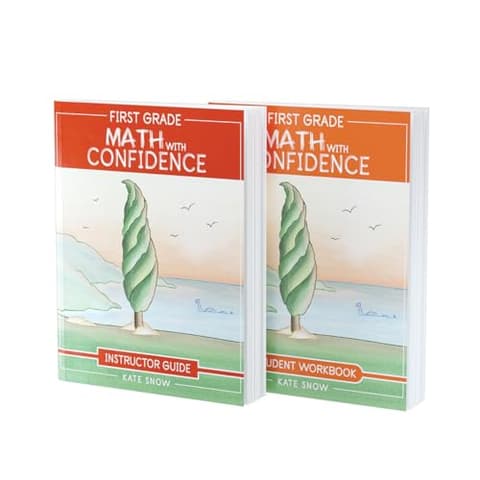
First Grade Math with Confidence Bundle: Instructor Guide & Student Workbook
Our top pick for most families. Fully scripted and open-and-go, so it needs no preparation, and the bundle pairs the instructor guide with the workbook you actually need.
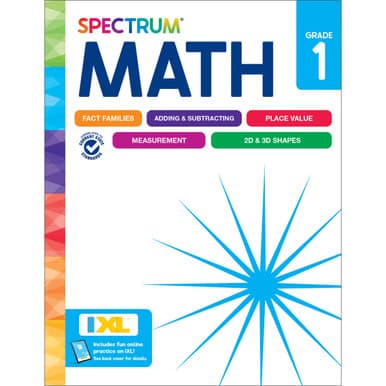
Spectrum Math Workbook — Grade 1
An inexpensive standards-aligned workbook covering the full year. Best as a spine for an independent-minded child, or as extra practice alongside a scripted program.
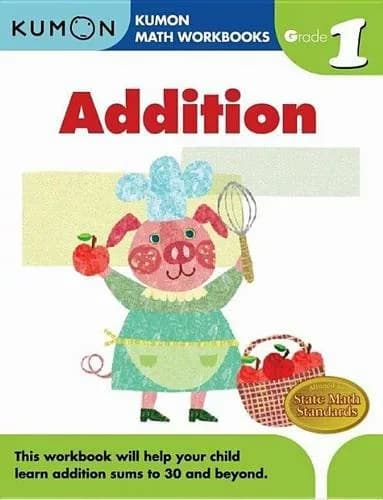
Kumon Grade 1 Addition
Single-purpose addition drill in very small steps. Reach for this only if fact fluency is the specific problem — it is practice, not instruction.
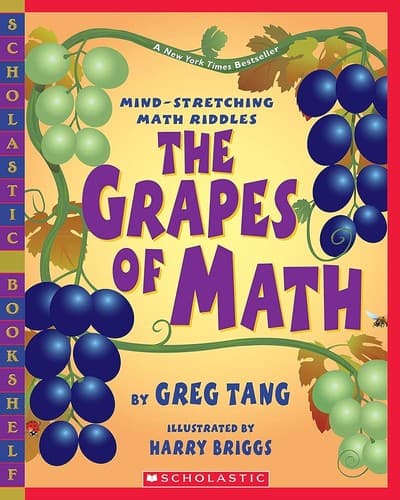
The Grapes of Math
A rhyming picture book that teaches grouping and mental-math strategies. A painless way to show a six-year-old that numbers can be played with.
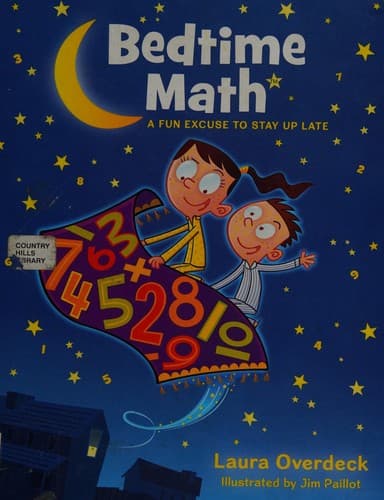
Bedtime Math: A Fun Excuse to Stay Up Late
One short, genuinely funny real-world math problem a night, with answers at three difficulty levels so it grows with your child. Free and hard to beat for building a positive association with math.
What to expect in 1st Grade math
First grade typically covers addition and subtraction within twenty, place value to one hundred, counting by twos, fives and tens, comparing two-digit numbers, telling time to the half hour, basic measurement, simple shapes, and an introduction to word problems.
Keep lessons short. Fifteen to twenty minutes of focused work is a full session at this age, and pushing past a child's attention span teaches them that math is unpleasant — a far more expensive outcome than covering one fewer topic. Most families find that daily consistency matters much more than session length.
Manipulatives are not optional this year. Counters, base-ten blocks, or even dried beans give a child something to think with before they can think in symbols. If your student is reversing digits or struggling to hold numbers in their head, that is typical for six, not a warning sign.