The Best Homeschool Preschool & Kindergarten Curriculum for Every Learning Style in 2026
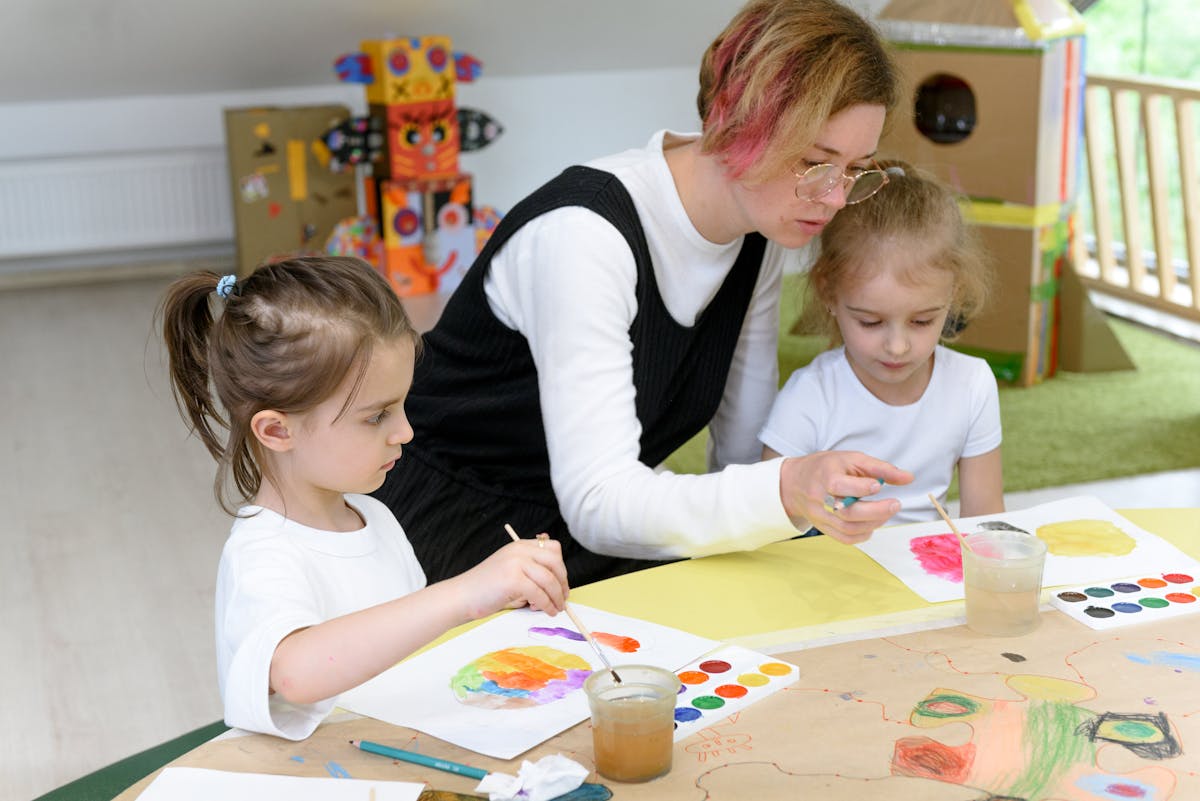
Starting your homeschool journey with a preschooler or kindergartner is one of the most exciting — and sometimes overwhelming — decisions a parent can make. The good news? Young children are naturally curious, and the right curriculum can turn everyday moments into powerful learning experiences. Whether your child thrives with hands-on activities, screen-based games, or structured workbooks, there is a perfect fit waiting for you.
This guide covers the best preschool and kindergarten homeschool curricula for 2026, organized by subject and learning style, with a mix of complete programs and targeted supplements. Every recommendation links to a detailed review on Learnamic so you can explore further.
Complete Preschool & Kindergarten Programs
If you want a single program that covers reading, math, science, and social skills, these all-in-one options make planning simple. ABCmouse from Age of Learning is one of the most popular choices, offering a full digital curriculum for ages 2–8 with thousands of activities across reading, math, science, art, and music. It is especially strong for parents who want an app-based program their child can navigate independently. For families who prefer a faith-based approach, Horizons Preschool from AOP Christian Homeschooling provides a structured multimedia curriculum with hands-on activities and colorful workbooks, while the LIFEPAC Kindergarten set offers a self-paced workbook system covering math and language arts.
Want the full checklist for this grade?
We put together a complete K-12 curriculum planner with every subject milestone, matched to your teaching style.
Grab it free →BJU Press provides several online-with-books options: K4 Online with Books for four-year-olds and K5 Online with Books for kindergartners combine video lessons with physical materials. Starfall offers both a free website and affordable homeschool kits — their Pre-K Homeschool Kit and Kindergarten Math Curriculum are especially popular with families on a budget. And Timberdoodle curates complete grade-level kits that bundle the best products from many publishers into one box.
Reading & Phonics
Learning to read is the single most important milestone of the preschool and kindergarten years. Phonics-based programs consistently produce the strongest results for early readers. Hooked on Phonics Complete Kit remains a parent favorite, using a proven multi-sensory approach with books, flash cards, stickers, and an app. Their Pre-reader Practice Pack is designed for ages 3+ and their Levels 1&2 kit covers early emergent readers.
All About Reading from All About Learning Press takes an Orton-Gillingham approach with hands-on letter tiles, readers, and teacher scripts — ideal for children who benefit from tactile learning or who show signs of reading difficulty. For a gentler, story-based introduction, Bob Books Set 1 from Scholastic uses simple phonics stories that build confidence in brand-new readers. Explode The Code is a classic workbook-based phonics program that many homeschool families pair with a reading app.
Digital options are strong in this age group. Reading Eggs gamifies the reading process with rewards and animated lessons for ages 2–13. HOMER Reading creates a personalized reading plan based on your child's interests and level. And for supplemental practice, Rock 'N Learn offers engaging DVD and streaming options like Letter Sounds, Sight Words Level 1, and their Phonics 4 DVD Set.
Flash cards remain a tried-and-true supplement. Think Tank Scholar Kindergarten Sight Words and their 500+ Sight Words Bundle cover Fry and Dolch high-frequency words, while Brighter Child First Words Flash Cards work well for pre-readers. For handwriting, Learning Without Tears: Letters and Numbers for Me uses a developmental approach that prevents bad habits, and D'Nealian Handwriting Preschool from Pearson teaches a style that transitions smoothly into cursive.
Math & Numbers
Early math should be concrete, visual, and playful. Earlybird Kindergarten from Singapore Math uses the same problem-solving approach that made Singapore the top-performing math nation, adapted for young learners with colorful manipulatives and picture-based lessons. Math K5 from BJU Press combines online instruction with physical workbooks for a structured approach.
For workbook lovers, Brain Quest Kindergarten packs math, reading, science, and social studies into one fun, colorful workbook that kids love. Kumon workbooks offer targeted practice in specific skills — their incremental approach builds mastery through repetition. Brighter Child Math Grade K and Daily Learning Drills Grade K are budget-friendly options that cover the full scope of kindergarten math.
Digital math programs shine at this age because young children respond to colorful animations and instant feedback. IXL offers comprehensive Pre-K Math and Kindergarten Math with adaptive difficulty and detailed progress reports. K5 Learning provides free math worksheets alongside their online program. BrainPOP Jr. covers Number Sense, Addition and Subtraction, and Time through animated videos that make abstract concepts concrete. And Osmo Pizza Co turns math into a hands-on pizza restaurant game using physical tiles and a tablet.
For hands-on math tools, Think Tank Scholar Math Flash Cards cover addition, subtraction, multiplication, and division across grade levels, while Brighter Child Addition Flash Cards and Numbers 1 to 100 Flash Cards (bilingual English/Spanish) are great for daily drill.
Science & Exploration
Preschool and kindergarten science should spark wonder and curiosity. BrainPOP Jr. Science covers life science, earth science, and physical science through short animated videos followed by quizzes and activities. Usborne Lift-the-Flap Questions and Answers about Science is a beautiful interactive book that answers the kinds of questions young children naturally ask. PBS LearningMedia Science offers free, high-quality video segments from shows like SciGirls and NOVA that preschoolers and kindergartners can enjoy with parental guidance.
For hands-on exploration, Melissa & Doug Magnetic Human Body Anatomy Play Set introduces body systems through play, and Snap Circuits Jr. lets children build real working circuits without any soldering — surprisingly accessible for kindergartners with adult guidance. Magna-Tiles are not explicitly a science curriculum, but the spatial reasoning, engineering thinking, and creativity they develop are foundational STEM skills that pay dividends for years.
Early Coding & STEM
Introducing coding concepts in preschool and kindergarten is easier than ever with tools designed for pre-readers. Code.org Pre-reader Express uses drag-and-drop puzzles with picture-based instructions, requiring no reading at all. ScratchJr lets children ages 5–7 create their own interactive stories and games by snapping together graphical programming blocks. Kodable turns coding into a game where fuzzy characters navigate mazes — teachers and parents love its structured lesson plans.
For screen-free coding, Osmo Coding Awbie uses physical blocks that children arrange to guide an on-screen character, blending tactile play with digital feedback. Botley 2.0 from Learning Resources is a screen-free coding robot that kindergartners can program using buttons on its back — no app required. And ThinkFun Rush Hour builds the same logical thinking that underpins programming through a satisfying physical puzzle.
Art, Music & Movement
Creative expression is essential for early childhood development, and homeschooling gives you the freedom to weave it throughout every day. BrainPOP Jr. Arts & Technology introduces art concepts and creative tools through short videos. Osmo Masterpiece turns any photo into a step-by-step drawing guide, building drawing confidence in children who think they "can't draw." PBS LearningMedia Arts offers free videos and activities from programs like Sesame Street and Daniel Tiger that blend creativity with social-emotional learning.
For movement and physical development, GoNoodle offers free movement videos that burn energy and build gross motor skills — perfect for brain breaks between lessons. Browse our full Arts topic page and Physical Education topic page for more options.
Social Studies & Life Skills
BrainPOP Jr. Social Studies covers community, geography, civics, and culture at an age-appropriate level. PBS LearningMedia Social Studies provides free video clips and lesson plans that introduce young children to maps, communities, and diverse cultures. National Geographic Kids World Atlas is a gorgeous reference book that preschoolers and kindergartners love to browse, building early geography awareness through maps and photographs. For social-emotional development, Education.com offers Preschool Social Emotional Worksheets that cover feelings identification, friendship skills, and self-regulation.
Foreign Languages for Young Learners
Young children are natural language learners, and starting early gives them a pronunciation advantage that older learners rarely match. The MUZZY series from the BBC has been a trusted choice for decades — available in Spanish, French, Italian, and English as a Second Language, it uses animated storytelling to immerse children in a new language naturally. For more language options, explore our Spanish, French, and Foreign Languages topic pages, or read our full guide to the best homeschool foreign language curriculum.
Free & Budget-Friendly Options
You do not need to spend a fortune to give your preschooler or kindergartner an excellent education. Khan Academy Kids is completely free and covers math, reading, language, and social-emotional development for ages 2–8 — it is arguably the strongest free option available. Code.org and ScratchJr are free for coding. Starfall offers a free basic tier with phonics and reading activities. K5 Learning provides hundreds of free printable worksheets. Think Tank Scholar free printables and Education.com (free tier) round out a solid no-cost foundation.
BrainPOP Jr. offers some free content and is very affordable for what it covers. Reading Eggs and ABCya both have free tiers alongside their premium offerings. For a complete guide, see our post on the best free homeschool resources.
Choosing the Right Approach
The most important thing to remember about preschool and kindergarten is that play IS learning. Children this age learn best through exploration, conversation, sensory experiences, and following their own curiosity. A structured curriculum can provide helpful scaffolding, but it should never replace free play, outdoor time, read-alouds, and hands-on discovery.
Consider your child's temperament and your own teaching style. Some families thrive with a boxed curriculum that tells them exactly what to do each day — programs like LIFEPAC or Timberdoodle kits excel here. Others prefer to assemble their own mix of workbooks, apps, and library books — combining Brain Quest workbooks with ABCmouse and free resources from Khan Academy, for example.
Browse our full Preschool and Kindergarten grade pages to explore hundreds more options, or filter by Preschool Curriculum and Kindergarten Curriculum to find exactly what you need. For more guidance on beginning your homeschool journey, read our complete beginner's guide to homeschooling or explore summer learning activities to keep the momentum going year-round.
Learnamic Weekly Picks
Get handpicked learning resources, curriculum comparisons, and money-saving finds delivered to your inbox every week. Join thousands of homeschool families.
No spam, ever. Unsubscribe anytime.