The Best Homeschool Coding & Computer Science Curriculum for Every Age in 2026
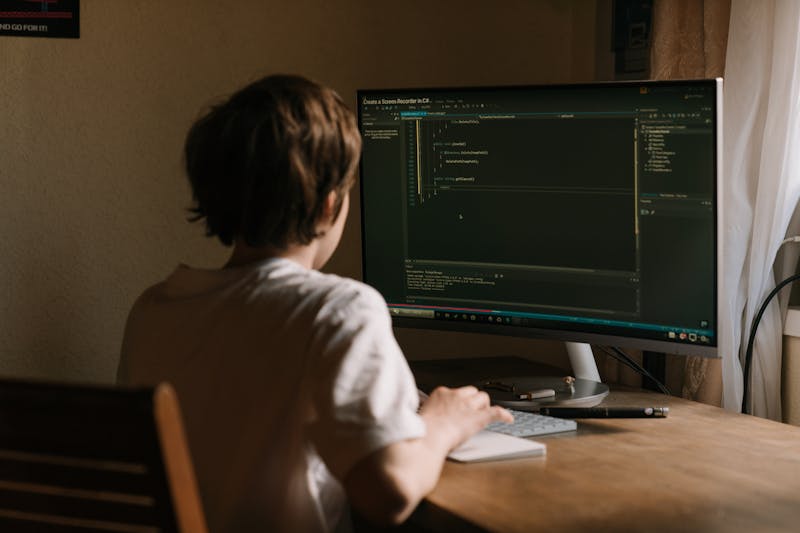
Coding and computer science have become essential skills for students in every field — not just future software engineers. Whether your child dreams of building video games, analyzing scientific data, or simply understanding the technology that shapes their world, learning to code develops problem-solving abilities, logical thinking, and creativity that transfer to every subject. For homeschooling families, the challenge is not finding resources — it is choosing the right ones for each age and experience level.
This guide covers the best coding and computer science resources for homeschoolers from preschool through high school and beyond, with options for every budget and learning style.
Pre-K Through 2nd Grade: Foundations Without Screens
The youngest learners benefit most from understanding computational thinking concepts before ever touching a keyboard. Lauren Ipsum by Carlos Bueno is a wonderful chapter book that teaches algorithms, logic, and problem-solving through an adventure story — no code required. It is perfect for read-alouds with kindergarteners or independent reading for early elementary students.
Overwhelmed by all the options?
We built a grade-by-grade planner that shows you exactly what to cover — and which resources match your style.
Download the planner →When kids are ready for screen-based activities, ScratchJr is the gold standard for ages five to seven. This free tablet app uses snap-together visual blocks that even pre-readers can use to create animated stories and simple games. Kodable offers a similar drag-and-drop approach with a structured curriculum that parents can track.
For hands-on STEM exploration, Osmo Coding Awbie and Coding Jam use physical blocks that interact with a tablet, bridging the gap between tangible play and digital programming. Snap Circuits Jr. introduces basic electronics concepts that complement coding education beautifully.
3rd Through 5th Grade: Visual Programming Takes Off
Upper elementary is the sweet spot for visual programming, and Scratch (the full version, for ages eight and up) remains the most powerful and popular platform. Coding for Kids: Scratch by Adrienne Tacke provides ten structured projects that build skills progressively, while Coding Projects in Scratch by DK Publishing offers beautifully illustrated step-by-step guides that kids can follow independently.
Code.org offers free, comprehensive coding courses aligned with national standards, including their popular Hour of Code activities. For a more structured approach, Google CS First provides video-based Scratch lessons organized into themed clubs (game design, storytelling, art, music) that work perfectly as weekly homeschool electives.
BrainPOP Computer Science covers computing concepts through animated videos and interactive quizzes, making it an excellent supplement for families who want computer science theory alongside hands-on coding practice.
6th Through 8th Grade: The Transition to Text-Based Code
Middle school is when most students are ready to move from visual blocks to typing real code. The two best first text languages for this age are Python and JavaScript, and several outstanding books make the transition smooth and fun.
Python for Kids by Jason R. Briggs is the most popular choice, using Python's clean, readable syntax to teach variables, loops, functions, and object-oriented programming through game-building projects. Python is widely used in data science, AI, and scientific computing, making it an especially practical first language.
JavaScript for Kids by Nick Morgan takes a similar project-based approach but with JavaScript — the language that powers every website. Students build interactive games directly in their web browser, which provides instant visual feedback that keeps middle schoolers engaged.
Hello World! by Warren and Carter Sande is unique in its father-son dialogue format — the dad explains Python concepts while the kid asks the questions real beginners actually have. It works especially well for parent-child learning pairs in a homeschool setting.
Girls Who Code: Learn to Code and Change the World by Reshma Saujani combines JavaScript instruction with inspiring profiles of women in technology. It is an excellent choice for any student who needs the "why" before the "how" — especially girls who might not see themselves represented in traditional CS materials.
9th Through 12th Grade: Real-World Skills and AP Prep
High school students can handle professional-grade resources. Automate the Boring Stuff with Python by Al Sweigart teaches Python through practical automation projects — manipulating spreadsheets, scraping websites, sending emails — that demonstrate why programming matters in everyday life.
Codecademy Learn JavaScript and Codecademy Learn HTML offer interactive, browser-based courses where students write real code and see results immediately. Codecademy's structured curriculum tracks progress and provides certificates of completion.
For AP Computer Science preparation, Khan Academy Computer Science and Khan Academy Computer Programming offer free, self-paced courses covering algorithms, data structures, and JavaScript. AP Computer Science A: Java from Juni Learning provides structured preparation for the AP exam specifically.
freeCodeCamp deserves special mention for high schoolers serious about web development. Its free, project-based curriculum covers HTML, CSS, JavaScript, React, Node.js, and databases — enough to build a real portfolio. Students earn certifications by completing projects, which can strengthen college applications.
Code: The Hidden Language of Computer Hardware and Software by Charles Petzold is the definitive book for understanding how computers actually work at a fundamental level — from binary arithmetic through logic gates to operating systems. It is an outstanding companion to any programming curriculum.
Free and Budget-Friendly Options
Coding education does not have to be expensive. Several of the best resources are completely free: Scratch, ScratchJr, Code.org, Google CS First, freeCodeCamp, and Khan Academy CS. These free platforms offer complete curricula that rival paid alternatives.
For books, the titles in this guide range from approximately ten to thirty dollars — a fraction of the cost of formal coding classes or camps. Many are available at public libraries as well.
Building a Coding Curriculum: A Practical Framework
A well-rounded homeschool coding path might look like this: start with Lauren Ipsum and ScratchJr in early elementary, move to Scratch and Code.org in upper elementary, transition to Python for Kids or JavaScript for Kids in middle school, and tackle Automate the Boring Stuff or freeCodeCamp in high school.
The key is consistency rather than intensity. One or two coding sessions per week — even just thirty minutes each — builds skills steadily. Coding is one of the few subjects where making mistakes is genuinely productive; every bug a student debugs strengthens their problem-solving muscles.
For more on planning your homeschool technology track, see our Complete Homeschool High School Planning Guide and our guide to Homeschool Electives and Career-Ready Courses. And for younger learners just starting their STEM journey, check out our Preschool and Kindergarten Curriculum Guide.
Learnamic Weekly Picks
Get handpicked learning resources, curriculum comparisons, and money-saving finds delivered to your inbox every week. Join thousands of homeschool families.
No spam, ever. Unsubscribe anytime.