5 Things to Know Before Switching Careers Into Nursing
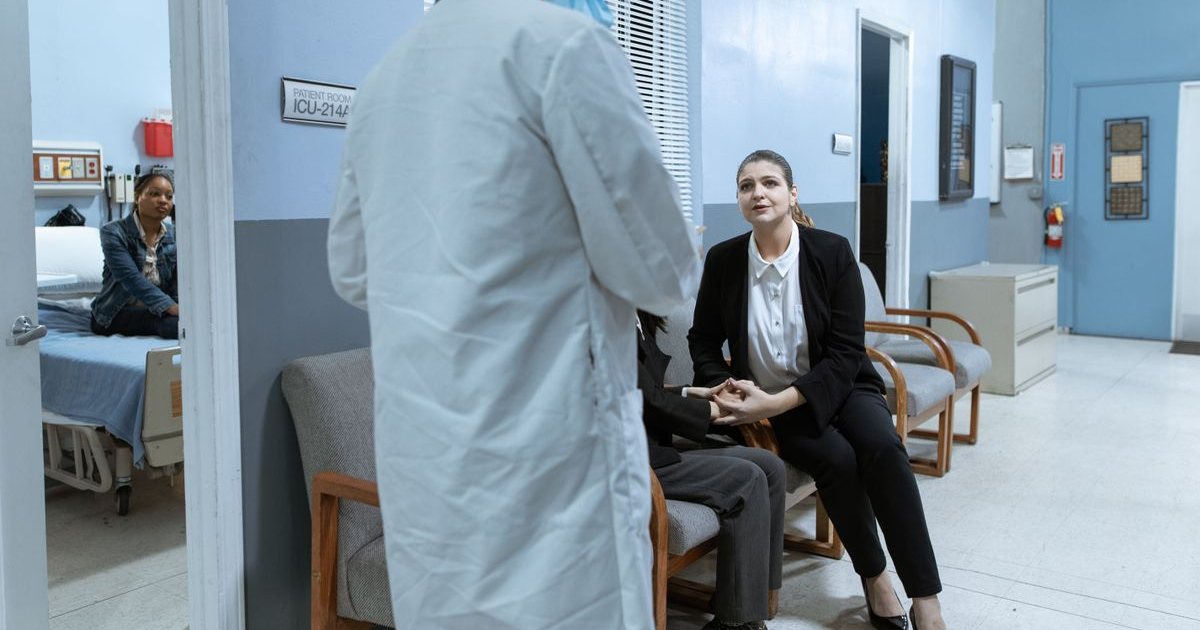
Switching careers into nursing means starting over academically, even for people who already hold a degree and years of experience in another field. Nursing programs care about specific prerequisite coursework and licensing requirements that don't bend for outside experience, so a career changer's timeline depends more on which science classes they've already taken than on how impressive their old résumé looks. That surprises a lot of people who assumed their years of professional experience would count for more than it actually does once they start filling out applications.
The good news is that nursing schools have built several pathways specifically for people making this jump, and knowing how those pathways work before applying saves a lot of wasted time and money. Career changers who go in prepared for the coursework, the schedule and the application timeline tend to move through the process with far less friction than those who assume their old degree will smooth the way.
1. Your Previous Degree Won't Cover the Science Prerequisites
A bachelor's degree in business, education or communications satisfies the general education requirements most nursing programs expect, but it almost never covers the science coursework nursing schools actually require. Anatomy and physiology, microbiology, and often statistics and chemistry need to be finished before an application even gets reviewed, and most programs want those grades from within the last five to ten years. Career changers who assume their old transcript covers everything usually lose months once they discover they need a semester or two of prerequisites before they can apply anywhere, so checking the exact list for target programs early on saves a full application cycle.
Want the full checklist for this grade?
We put together a complete K-12 curriculum planner with every subject milestone, matched to your teaching style.
Grab it free →2. Direct Entry Programs Compress the Timeline
People switching from an unrelated bachelor's degree don't have to repeat a full four year nursing program from scratch, since direct entry and accelerated tracks were built specifically for this situation. These programs assume a student already has general education requirements handled and focus entirely on nursing coursework and clinical hours, often finishing in sixteen to twenty months instead of four years. Career changers who want to skip a second undergraduate degree entirely can move straight into graduate level nursing coursework through Elmhurst University's direct entry MSN online, built to fold licensure and an advanced credential into one accelerated track.
3. Clinical Rotations Demand a Predictable Schedule
Nursing clinicals happen during set hours at partner hospitals and clinics, and those hours rarely bend around a career changer's existing job or family schedule. Students often need to be available for day, evening or occasional overnight rotations with only a few weeks' notice, which makes it difficult to keep working full time once rotations begin in earnest. Anyone planning this move while still employed should ask their program about typical rotation hours before enrolling, and should build a financial cushion for the months when clinicals make full time work impossible.
4. Your Previous Career Skills Still Count
A background in teaching, business, hospitality or social services rarely shows up on a nursing school application in an obvious way, but those skills matter more once classes start than most career changers expect going in. Communicating clearly with worried family members, managing several demands at once, and keeping a clear head during a hectic day on the floor all draw on abilities built in a completely different job, and nursing faculty tend to notice which students already have them. Making a career change well into your forties is common enough that most nursing programs are used to seeing it, so switching fields later in life carries less of a stigma in admissions than people often assume before they apply.
5. The Application Cycle Moves Faster Than You'd Expect
Nursing program application cycles move on a tighter and more competitive timeline than most other graduate programs, with many accelerated and direct entry tracks accepting only two or three cohorts a year and filling seats months before the start date. Interest in nursing school applications climbed sharply once the pandemic put nurses in the public eye, and many programs have stayed competitive since then, as more career changers apply for the same limited clinical placement slots. Anyone planning this move should request deadlines from two or three target programs as soon as they consider the switch, rather than waiting until prerequisites are finished to find out when applications are due.
None of this means switching into nursing is simple, but it does mean the process is well mapped out for people coming from other careers, since so many others have already made the same jump. Line up prerequisites first, choose a program built for career changers rather than one designed around a traditional four year timeline, and the rest of the transition tends to move faster than expected once the classroom work actually begins.
Learnamic Weekly Picks
Get handpicked learning resources, curriculum comparisons, and money-saving finds delivered to your inbox every week. Join thousands of homeschool families.
No spam, ever. Unsubscribe anytime.