Preparing Your Teenager to Study in the UK: Academic Skills, Independence and Local Support
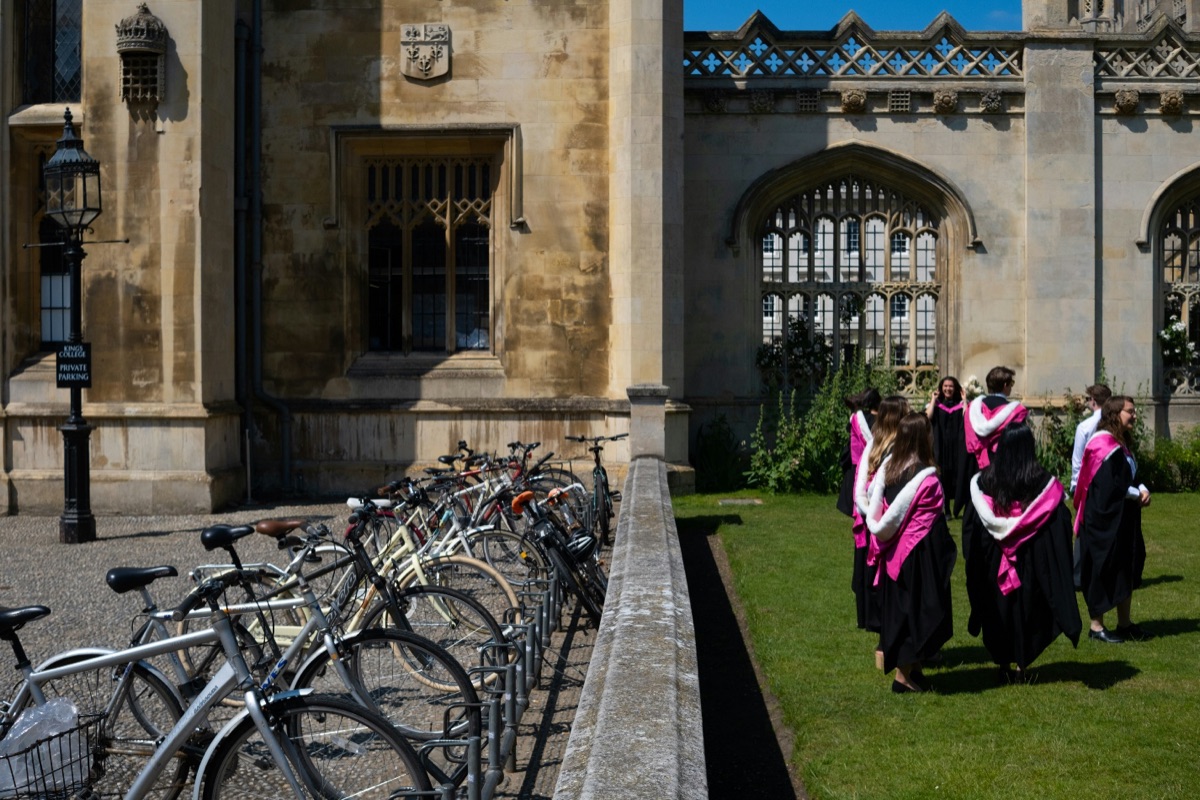
Moving to another country for school is a big step for any teenager, but they may not be prepared for the challenges of a new education system, unfamiliar lifestyles and being away from home for the first time.
While parents will likely focus on finding the best school, enrolling their child and arranging passports and visas, students may need the reassurance that they can cope with the new challenges.
Preparation should start well before arrival, allowing a teenager to learn new skills and gain an understanding of the support system they will need.
Overwhelmed by all the options?
We built a grade-by-grade planner that shows you exactly what to cover — and which resources match your style.
Download the planner →Arrange Local Support Before Your Teen Leaves Home
While independence is a large part of studying abroad, teenagers shouldn't be expected to face every challenge on their own if they arrive somewhere with little or no local support.
Parents should ask themselves who will care for their child if they become ill, experience difficulties at school, or require alternative accommodation during school holidays or public holidays.
For international students, having student guardianship uk support means they have a local contact who can liaise with the school, arrange appropriate support and provide a welfare service while their parents are overseas.
Some UK boarding schools require international students under 18 years of age to have an appointed guardian, so parents should speak to their preferred school and understand the extent of the support that is available.
With this preparation complete, teenagers can focus less on the unfamiliar environment and more on adjusting to their new surroundings.
Building Independent Study Habits
Adjusting to a British education system can mean dealing with new expectations, different homework requirements and more demanding assessment criteria.
Students may find themselves needing to take greater responsibility with regard to their own assignments and examinations, and their ability to seek help when they have concerns.
Parents can encourage independent study skills by slowly introducing their teenagers to the need for their own study planner, the ability to break down larger assignments and to assess their own progress on a regular basis.
Learnamic's guide to study skills and organisation tools has some great suggestions for building independent study habits, including how to manage a more demanding study schedule.
By practicing these skills prior to arriving overseas, teenagers can gain confidence in their ability to complete assignments without the day-to-day encouragement of parents and teachers.
Strengthening Academic English and Communication
Despite being comfortable speaking and writing English, teenagers may find themselves needing to understand more demanding academic language when they arrive in the UK.
It is one thing reading and writing in a familiar dialect, but following a lecture or discussion, deciphering assignment instructions and completing a series of long-form responses requires further skills.
Reading English books, newspapers and study materials prior to departure can help students with understanding unfamiliar words, and they should practice asking questions and voicing their opinions.
Students who haven't asked for permission to speak in classes at their current school may need to be encouraged to be more vocal in the UK, but the goal is to help them feel confident in their ability to request help.
Teaching Everyday Independence
Being away from home for the first time can teach teenagers new skills that would otherwise take years to learn at home, but those who are too engrossed in their studies may forget to take care of important personal matters.
Students must learn to be responsible with their personal effects and laundry, and they should also learn to budget their finances wisely.
Parents should slowly encourage their teenagers to take responsibility for smaller everyday tasks, and then they will be better prepared to manage larger challenges overseas.
By giving a teenager the opportunity to plan their own week, make small purchases and make their own travel arrangements, parents can help them build confidence in their ability to make decisions.
They may always need that reassurance and guidance, but it can be easier to adapt to unfamiliar surroundings with the comfort of familiar routines.
Preparing for Cultural and Social Differences
Students arriving overseas may experience more differences in customs and traditions than they are used to at home.
Boarding school routines can be particularly different for students who are used to staying at home or only away for short holidays.
Discussing cultural differences before departure can encourage teenagers to embrace their new environment, and parents should encourage their children not to be afraid of the unfamiliar.
Encourage their child to get involved in clubs and sports at school, and make friends outside of their classroom. It is easier to feel lonely in a foreign environment.
Parents should also remind their teenagers that it's normal to feel homesick and that the desire to be back home doesn't necessarily mean they are struggling with their choice to study overseas.
Establishing Communication with Home
For many, making regular contact with home is a reassurance that all is well, and it can be a comfort to both parents and students, but it shouldn't become a crutch.
Parents should consider establishing a reasonable contact schedule for peace of mind, but constant contact with their teenager can prevent them from gaining confidence in their own ability to live independently.
Parents should also ensure their teenagers know who they should contact in an emergency, and what action should be taken if an illness or other emergency occurs.
Students should understand the importance of being able to reach out with concerns, but independent living is about understanding the limitations of one's own skills and seeking out reliable support.
Understanding School Holidays and Accommodation
Boarding school accommodation is not always available for the entire academic year and overseas students may have to arrange alternative accommodation over half-terms or during exeat weekends.
Parents should review their son or daughter's school calendar and plan travel and accommodation accordingly, and they should also understand who will meet their child at the airport, assist them with transport changes and what should be done if a different accommodation option becomes necessary.
This is particularly important for younger students who may have little or no experience of independent travel.
Maintaining Support After Arrival
Preparation does not end with a teenager's arrival in the UK, and a first term is also a chance for parents to consider how things are going for their child and if additional support is required.
Parents can ask their teenager about their homework and their friends as well as how much they are sleeping and what they enjoy doing in their free time.
Teachers, house heads or local guardians may be able to answer concerns, and it is always better to seek help early before schoolwork, extracurricular activities or health become a major issue.
Studying overseas can give teenagers exciting new opportunities to challenge themselves and gain independence, but with the right preparation at home, realistic expectations and reliable support in the UK, teenagers can gain confidence in their abilities while knowing that there is always someone to turn to for help.
Learnamic Weekly Picks
Get handpicked learning resources, curriculum comparisons, and money-saving finds delivered to your inbox every week. Join thousands of homeschool families.
No spam, ever. Unsubscribe anytime.