How Nurse Practitioner Programs Are Building Stronger Pathways to Clinical Training
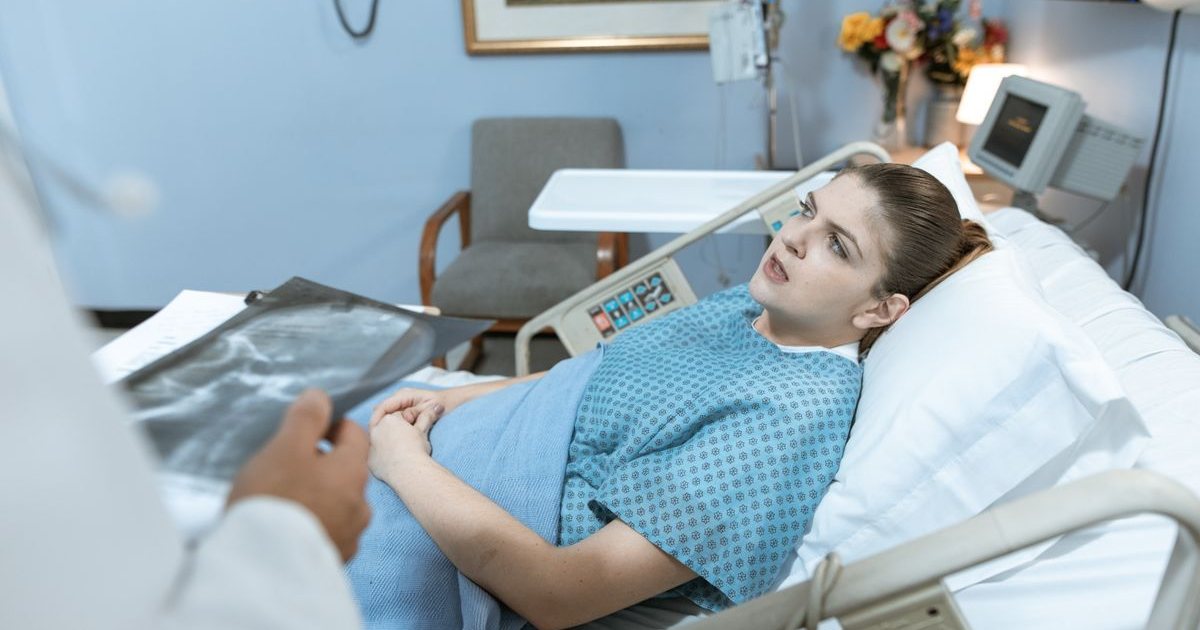
Nurse practitioner programs pair classroom coursework with hundreds of hours of supervised clinical training before a student can graduate. That clinical portion is where a student moves from case studies and simulations into real exam rooms, working alongside a licensed physician or nurse practitioner who reviews their decisions and signs off on their hours. It's the part of the degree that turns a working registered nurse into someone qualified to diagnose, prescribe and manage patient care independently. Every accredited FNP, PNP or psychiatric NP program builds this requirement in, and a student can't sit for national certification without completing it.
What's changed in recent years isn't the requirement itself. It's how hard that requirement has become to satisfy. Finding a qualified provider willing to supervise a student, often for weeks or months at a stretch, has turned into one of the more stressful parts of nurse practitioner training, sometimes more stressful than the coursework leading up to it. Some programs still leave that search almost entirely to the student. Others have restructured how they support students through it, and that difference has become one of the more important things to look into before a person ever enrolls.
Why Clinical Hours Are the Hardest Part of the Program
Coursework has a syllabus, a set schedule, and a professor accountable for getting through the material by a certain date. Clinical hours don't work that way. A student typically needs somewhere around five hundred to seven hundred hours with a preceptor, depending on the specialty and the state, and every one of those hours has to happen inside a working clinic that has room for a learner slowing down its patient flow. A busy provider has to give up scheduled time, teach in real time between patients, and take on responsibility for someone else's clinical decisions, and few clinics have unlimited room for that kind of arrangement, no matter how well-intentioned the provider is about wanting to help train the next generation.
Overwhelmed by all the options?
We built a grade-by-grade planner that shows you exactly what to cover — and which resources match your style.
Download the planner →How Some Programs Are Taking the Search Off Students' Plates
Texas Woman's University runs FNP programs that find preceptors for its own students, taking that search off the student's plate before the clinical year even starts. A dedicated placement coordinator builds relationships with local clinics year over year, rather than leaving each student to cold email providers on their own and hope for a reply. That kind of support doesn't just save time. It tends to produce a more consistent clinical experience too, since the school has already vetted the site and knows what kind of caseload and supervision a student will actually get there, rather than students finding that out only after they've already committed to the placement and rearranged their work schedule around it.
The Preceptor Shortage Behind the Bottleneck
Part of the difficulty comes down to simple math. The nurse practitioner workforce has far outpaced physician workforce growth over the past several years, expanding by roughly ten percent annually between 2016 and 2023 compared with about one percent for physicians, and the pool of clinicians willing to precept hasn't kept pace with that growth. More students enter NP programs every year, but many of the providers who do take students say they get little support or extra compensation for the time it costs them, which makes fewer of them willing to keep doing it year after year. That imbalance means students are often competing with classmates, and with students from other nursing and physician assistant programs, for the same limited group of willing preceptors in a given metro area.
What to Ask Before You Enroll
A few direct questions can save months of frustration later. Before enrolling, it helps to ask a program directly:
Does the school assign preceptors, or is the student expected to find their own
What happens if a placement falls through partway through a rotation
Is there a staff member responsible specifically for clinical placements
How many students did the program place on time last year, and how many had to delay graduation
Nursing shortages projected across dozens of states in the years ahead are one reason nurse practitioners are being asked to fill a growing share of primary care as physician numbers plateau and retirements pick up. That growing demand makes a reliable clinical training pipeline more important, not less, since a program that can't consistently place its students is producing fewer qualified providers right when the workforce needs more of them, not fewer. A program that has already solved its own placement problem is, in a very direct sense, doing its part to keep that pipeline moving.
Learnamic Weekly Picks
Get handpicked learning resources, curriculum comparisons, and money-saving finds delivered to your inbox every week. Join thousands of homeschool families.
No spam, ever. Unsubscribe anytime.