How Working Parents Are Turning Years of Caregiving Into New Careers
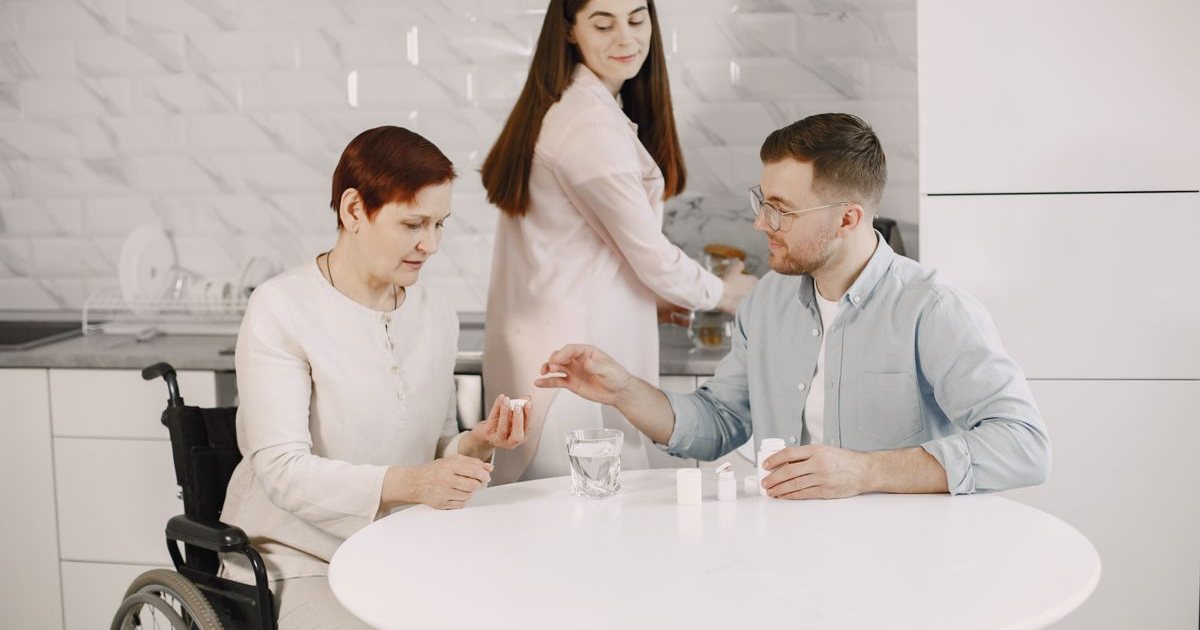
Caregiving experience is becoming one of the most overlooked qualifications on a working parent's resume, and more people are starting to notice. Between managing a child's school schedule, tracking medications for an aging parent, and coordinating appointments across several providers, many parents have spent years doing the kind of coordination, advocacy, and crisis management that entire careers are built on. What used to be treated as an unpaid gap in employment is increasingly being recognized as hands-on training for fields that reward exactly those skills.
This pattern is showing up most clearly among parents who are ready for a change but unsure how to translate years of caregiving into a job title. Many are finding that the fastest path forward runs through fields already built around the same instincts caregiving requires, from patience under pressure to reading what a person needs before they say it out loud. Fitting that change around a household already running on a tight schedule tends to be the harder part for most parents making this move.
Just How Common Family Caregiving Has Become
More than 63 million Americans, nearly one in four adults, spent time in the past year caring for an adult or child with a serious medical condition or disability, according to a 2025 report on family caregiving. That figure has grown by 20 million since 2015, driven partly by an aging population and partly by more people recognizing unpaid family care for what it actually is. A large share of these caregivers are also raising children under 18 at the same time, a group researchers call the sandwich generation, which means the coordination skills involved often cover two different sets of needs at once.
Want the full checklist for this grade?
We put together a complete K-12 curriculum planner with every subject milestone, matched to your teaching style.
Grab it free →Careers Built on the Same Instincts
Social work, nursing, and counseling all draw on instincts caregiving already builds, which is part of why so many former caregivers land there. A bachelor's degree in psychology, social work, or a related field typically qualifies for advanced standing, and an advanced standing MSW program online trims roughly a year off the usual course load, which matters for parents who want to finish quickly without putting a busy household on hold for years. Social work fits especially well for parents who have already spent years connecting people to resources, whether that meant finding a home health aide or figuring out which benefits a parent qualified for. Nursing and mental health counseling follow a similar pattern, where prior coursework and hands-on caregiving experience both count toward getting started sooner.
The Skills That Come With the Job
Managing a parent's medication schedule while tracking a child's asthma triggers requires the organization most job descriptions ask for directly. Parents who have spent years as informal caregivers tend to arrive with practice reading medical paperwork, pushing back on confusing insurance decisions, and keeping a level head when a provider delivers bad news. They have also had years of practice explaining complicated information to family members who are scared or overwhelmed, which is close to the daily work of a counselor, nurse, or social worker. None of this shows up neatly on a resume, but it maps directly onto the requirements of fields built around supporting people through hard moments.
Fitting a Career Change Around a Full Household
Online coursework has made it possible to study around a job and a family, with recorded lectures and flexible deadlines replacing the fixed class times that once ruled this out for anyone managing a full household. Adult learners returning to school are increasingly described as the new majority student, a growing group balancing coursework with full time jobs and caregiving duties rather than fitting the traditional image of a twenty year old on campus. Programs built with this group in mind tend to offer evening cohorts and clinical placements arranged close to home, which matters more to a parent juggling school pickup and a parent's doctor appointments than campus amenities ever could.
Making the Leap Without Starting From Zero
The parents who make this transition successfully tend to treat their caregiving years as real experience rather than a resume gap to explain away. Framing years spent managing a parent's care or a child's medical needs as hands-on training, rather than time away from a career, changes how that experience reads to admissions staff and future employers alike. It also helps to talk with people already working in the field being considered, since they can point out which parts of the caregiving experience translate most directly and which gaps still need filling through coursework or supervised hours. The years spent coordinating care were never wasted time, and for a lot of parents, they turn out to be the first chapter of a career that just needed a name.
Learnamic Weekly Picks
Get handpicked learning resources, curriculum comparisons, and money-saving finds delivered to your inbox every week. Join thousands of homeschool families.
No spam, ever. Unsubscribe anytime.