The Best Homeschool Handwriting Curriculum for Every Age in 2026
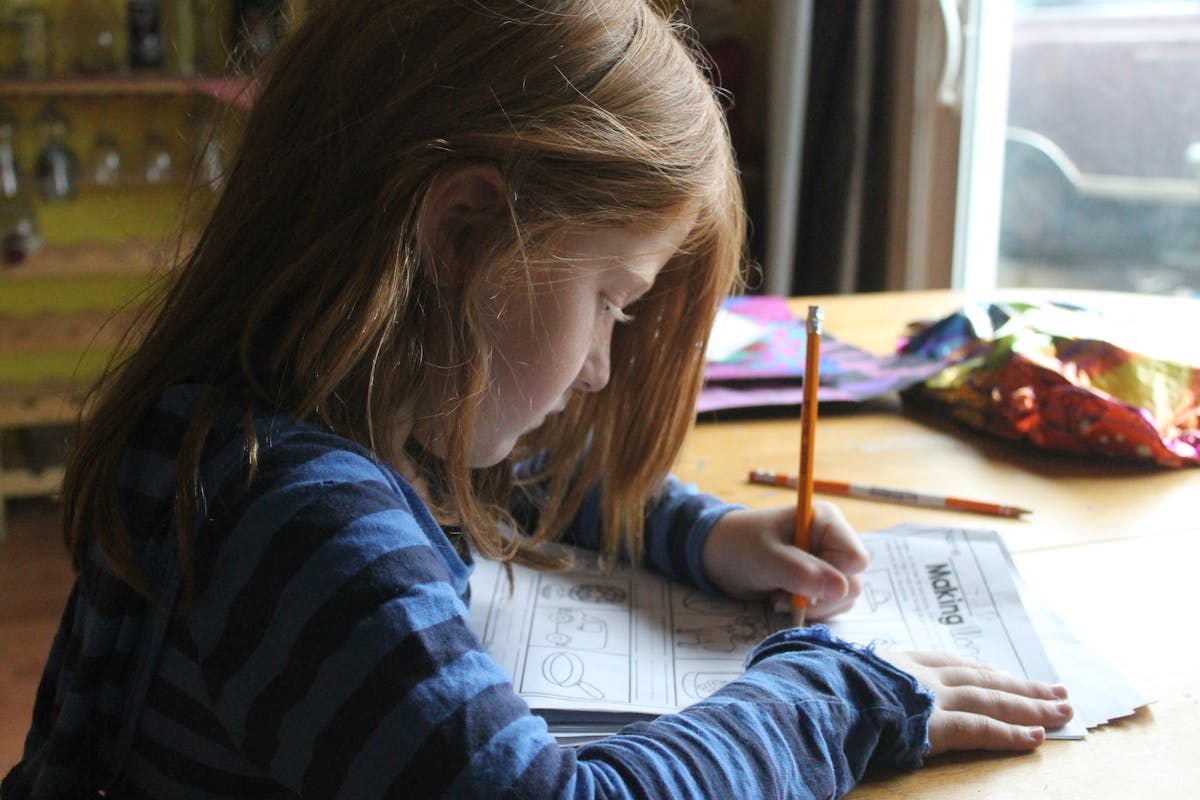
Handwriting might seem like a relic of the past in our digital world, but research consistently shows that learning to write by hand strengthens reading skills, improves memory retention, and supports fine motor development in ways that typing simply cannot replicate. For homeschool families, teaching handwriting is both an opportunity and a challenge — you get to choose the approach that fits your child, but you also need the right materials to make it stick.
This guide covers the best handwriting curricula and resources available in 2026, organized by age and stage, so you can find the right fit whether you're starting with a preschooler learning to grip a pencil or helping a middle schooler refine their cursive.
Why Handwriting Still Matters
Before diving into specific programs, it's worth understanding why handwriting deserves a dedicated spot in your homeschool schedule. Studies from Indiana University and Johns Hopkins have demonstrated that children who practice handwriting show greater neural activation in areas associated with reading and language than children who only type. The physical act of forming letters engages visual, motor, and cognitive pathways simultaneously — a multi-sensory experience that reinforces letter recognition, spelling, and composition skills.
Overwhelmed by all the options?
We built a grade-by-grade planner that shows you exactly what to cover — and which resources match your style.
Download the planner →For young learners especially, handwriting practice builds the fine motor skills needed for everything from buttoning a coat to playing an instrument. And for students with dyslexia or other learning differences, structured handwriting instruction can be a powerful intervention tool. If you're building a broader language arts program, our guide to reading and phonics curriculum covers how handwriting integrates with early literacy.
At a glance
Every option below is listed in the Learnamic directory, and the grade range, format and price come straight from that listing. We only include programs whose links we currently show as working. Prices last checked August 27, 2026 and are the publisher's list price in US dollars.
| Program | Grades | Format | Price | Best for |
|---|---|---|---|---|
| Handwriting Without Tears: Letters and Numbers for MeLearning Without Tears | Kindergarten | Book | $11.30 | Kindergarten printing with the wood-piece method |
| Handwriting Without Tears: My Printing BookLearning Without Tears | 1st | Book | $11.30 | Continuing Handwriting Without Tears into 1st grade |
| D'Nealian Handwriting PreschoolPearson Education | Pre-K | Product | $30.97 | Pre-K readiness before formal letter formation |
| D'Nealian Handwriting KindergartenPearson Education | Kindergarten | Product | $13.47 | D'Nealian printing that leads naturally into cursive |
| D'Nealian Handwriting Grade 1Pearson Education | 1st | Product | $13.47 | 1st-grade printing practice |
| D'Nealian Handwriting Grade 2Pearson Education | 2nd | Product | $13.47 | 2nd grade, where D'Nealian begins the cursive bridge |
| D'Nealian Handwriting Grade 3Pearson Education | 3rd | Product | $13.47 | 3rd grade, the usual year for starting cursive |
| D'Nealian Handwriting Grade 4Pearson Education | 4th | Product | $13.47 | 4th-grade cursive fluency |
| D'Nealian Handwriting Grade 5Pearson Education | 5th | Product | $13.47 | 5th-grade speed and legibility |
| D'Nealian Handwriting Grade 6Pearson Education | 6th | Product | $13.47 | 6th grade, for a child who still needs remediation |
| Cursive Writing WorksheetsK5 Learning | Kindergarten - 3rd | Worksheet/Printable | Free | Free cursive practice pages to supplement any program |
| Handwriting for Kids— | Pre-K - 4th | Printable | Free | Free printable practice in several styles |
Printing Programs for Preschool and Kindergarten
The earliest handwriting instruction focuses on pre-writing skills — tracing lines, drawing shapes, and developing pencil grip before formal letter formation begins. Most children are ready to start around age 4, though readiness varies significantly.
Handwriting Without Tears (Learning Without Tears) is the gold standard for early handwriting. The program uses multi-sensory techniques — wooden letter pieces, wet-dry-try chalkboard activities, and music — to teach letter formation in a developmental sequence that differs from alphabetical order. Letters are grouped by formation similarity (capitals first, starting with lines before curves), which reduces frustration and builds confidence. The workbooks are clean and uncluttered, a deliberate design choice that benefits students who are easily overwhelmed by busy pages. Many occupational therapists recommend this program specifically.
Pearson Education offers the D'Nealian Handwriting Preschool and D'Nealian Handwriting Kindergarten programs, which use a distinctive slanted manuscript style designed to ease the transition to cursive later. The D'Nealian approach adds small tails and curves to printed letters so that connecting them into cursive feels natural rather than learning an entirely new alphabet. This can be a strong choice for families who plan to prioritize cursive fluency.
For a budget-friendly option, the Handwriting: Printing Workbook by Brighter Child provides solid practice pages for K-2 students at a fraction of the cost of full curriculum programs. And Handwriting for Kids offers free online practice sheets you can print at home.
Elementary Printing and Manuscript (Grades 1-3)
By first grade, most students are ready for systematic letter formation practice. This is where dedicated handwriting programs shine — they provide the structured repetition that builds automaticity, freeing cognitive resources for composition and content rather than the mechanics of letter-making.
The D'Nealian series continues through the elementary grades with Grade 1, Grade 2, and Grade 3 workbooks that progress from letter practice to words and sentences. Each grade builds on the previous year's skills, adding complexity gradually. The slanted manuscript style is consistent throughout, providing continuity as students develop.
Zaner-Bloser Handwriting takes the traditional vertical manuscript approach — the standard printing style most Americans recognize. Their program is structured and explicit, with clear stroke descriptions, practice pages, and self-evaluation tools. Students learn to assess their own handwriting against models, building metacognitive skills alongside penmanship. Zaner-Bloser also offers a digital component for schools, though the physical workbooks are what most homeschool families use.
If your child resists traditional workbook-style practice, the Handwriting Practice: Jokes & Riddles resource turns practice into entertainment — students copy jokes and riddles, which means they're motivated to read what they've written. It's a clever way to get reluctant writers to put pen to paper.
Introducing Cursive (Grades 2-4)
The cursive debate is one of the livelier topics in homeschool circles. Some families consider it essential; others view it as optional. The practical case for cursive: it's generally faster than printing once mastered, it aids in reading historical documents, and it activates different neural pathways than printing, providing additional cognitive benefits.
Most handwriting programs introduce cursive between second and fourth grade. Handwriting Without Tears begins cursive in third grade with their "Cursive Handwriting" workbook, using the same multi-sensory approach that makes their printing program effective. Their cursive style is simplified — no elaborate loops or flourishes — making it more accessible for students who struggle with fine motor control.
The D'Nealian program transitions to cursive more seamlessly than most because of its slanted manuscript foundation. By Grade 3 and Grade 4, students are connecting the letter forms they've already been writing, rather than learning entirely new shapes. For families who value cursive fluency and want to start building toward it from the beginning, D'Nealian's integrated approach is hard to beat.
The Handwriting: Cursive Workbook by Brighter Child offers an affordable standalone option for families who just want a straightforward cursive practice book without committing to a full curriculum. It covers uppercase and lowercase letter formation, connections, words, and sentences.
K5 Learning provides free Cursive Writing Worksheets online — a practical option for families who want to supplement their primary curriculum or provide extra practice without additional cost.
Upper Elementary and Middle School (Grades 4-6)
By upper elementary, handwriting instruction shifts from learning how to form letters to developing speed, consistency, and personal style. Students who have a solid foundation in either printing or cursive should be able to write legibly and efficiently. The focus now becomes maintaining those skills while increasing writing volume.
The D'Nealian series continues through Grade 5 and Grade 6, with the later grades emphasizing cursive refinement, speed building, and practical writing applications like note-taking and letter writing. These upper-level workbooks recognize that students at this age need purposeful practice rather than rote letter repetition.
Getty-Dubay Italic Handwriting is worth mentioning as an alternative approach that appeals to many homeschool families. Rather than teaching traditional cursive, the Getty-Dubay method teaches italic — a clean, slightly slanted style that bridges printing and cursive. Proponents argue it's more legible than traditional cursive, faster than printing, and easier to learn. The program runs from kindergarten through adult, making it suitable for families who want a consistent approach throughout all the school years.
For students interested in more artistic writing, calligraphy resources can channel handwriting practice into a creative pursuit. Brush lettering and modern calligraphy have become popular among older students, especially those who enjoy art and design.
Handwriting for Special Needs
Students with dysgraphia, developmental coordination disorder, autism spectrum disorder, or other conditions that affect fine motor skills may need specialized handwriting approaches. Handwriting Without Tears remains the top recommendation among occupational therapists for these students because of its multi-sensory methods, simplified letter forms, and built-in accommodations.
Occupational therapy-based approaches like "Size Matters Handwriting Program" by Beverly H. Moskowitz focus specifically on the spatial and sizing challenges that students with handwriting difficulties face. These programs break letter formation into smaller, more manageable components and provide explicit strategies for spacing, sizing, and line placement.
Adaptive tools can also help: pencil grips, slant boards, raised-line paper, and weighted pencils all address different aspects of handwriting difficulty. If your child struggles significantly with handwriting, consulting with an occupational therapist can help identify specific challenges and recommend targeted interventions alongside curriculum-based practice.
Integrating Handwriting with Your Broader Curriculum
Handwriting doesn't have to be an isolated subject. The most effective approach weaves practice throughout the school day. BJU Press integrates handwriting into their Phonics & English, Reading, Handwriting 1 program, combining multiple language arts skills in a single curriculum. This approach saves time and helps students see handwriting as a functional skill rather than an academic exercise.
Copy work — the practice of copying high-quality sentences and passages — is another integration strategy. Students practice handwriting while absorbing good grammar, vocabulary, and writing style. Charlotte Mason homeschoolers have used this technique for over a century, and it remains effective. Sources for copy work include poetry, Scripture, historical speeches, and literature passages.
If you're building a comprehensive language arts program, handwriting connects naturally with writing and composition, reading and phonics, and spelling. Our preschool and kindergarten guide covers how handwriting fits into early childhood education more broadly, and the high school planning guide addresses handwriting expectations for college applications and standardized testing.
Quick Comparison: Which Program Is Right for You?
Handwriting Without Tears — Best for: young learners, students with special needs, families wanting multi-sensory instruction. Style: simplified vertical manuscript and cursive.
D'Nealian (Pearson) — Best for: families who prioritize smooth printing-to-cursive transition. Style: slanted manuscript that connects into cursive. Full grade-by-grade workbook series from Preschool through Grade 6.
Zaner-Bloser — Best for: families wanting traditional vertical manuscript with a separate cursive program. Structured and explicit with self-evaluation tools.
Getty-Dubay Italic — Best for: families wanting a single style from K-adult that's faster than printing and more legible than traditional cursive.
Brighter Child Workbooks — Best for: budget-conscious families needing standalone printing or cursive practice without a full curriculum commitment.
Whatever program you choose, consistency matters more than curriculum. Ten minutes of daily handwriting practice yields far better results than an hour once a week. Start where your child is, celebrate progress over perfection, and remember that legible handwriting is a gift your child will use for the rest of their life.
Browse our full collection of handwriting resources to find the right fit for your family, and explore our fine motor skills resources if your younger learners need pre-writing support.
Frequently asked questions
Zaner-Bloser or Handwriting Without Tears: which should I choose?
They differ in letter style and in how much they ask of a young hand. Zaner-Bloser teaches a traditional, slightly slanted manuscript and is the more conventional look. Handwriting Without Tears teaches a vertical manuscript, uses wood pieces and a simplified two-line paper, and deliberately reduces the number of strokes per letter. Children with weak fine-motor control or a diagnosed handwriting difficulty usually find Handwriting Without Tears easier to start with; children who will move into a traditional cursive tend to transition more smoothly from Zaner-Bloser.
Where does D'Nealian fit?
D'Nealian sits between the two. Its manuscript letters are slanted and carry small exit tails, which are designed to become cursive strokes later, so the cursive transition is gentler than from a purely vertical print. It is also the cheapest structured option in our directory at $13.47 per grade level, and it runs from preschool through 6th grade so you can keep one style throughout.
When should a child start cursive?
Most programs introduce cursive somewhere between 2nd and 3rd grade, once printing is reasonably automatic. Starting earlier is rarely a problem, but starting before printing is fluent tends to produce two half-learned hands rather than one good one. D'Nealian begins the bridge in 2nd grade, which is why that level is a common switching point.
What is the best handwriting program for dyslexia?
Look for a multisensory program with explicit letter-formation instruction rather than a copy-the-model workbook. Handwriting Without Tears is the most commonly recommended for this because it teaches formation through physical pieces and verbal cues before pencil work, and its simplified letterforms reduce reversals. Pair it with a multisensory spelling program rather than expecting handwriting practice alone to help spelling.
Do I need a paid handwriting program at all?
Not necessarily. Free printables from K5 Learning and Handwriting for Kids give you unlimited practice pages, and for a child whose handwriting is already developing normally that may be all you need. A paid program earns its money when you need a taught sequence, a specific letter style, or remediation for a child whose handwriting has stalled.
Learnamic Weekly Picks
Get handpicked learning resources, curriculum comparisons, and money-saving finds delivered to your inbox every week. Join thousands of homeschool families.
No spam, ever. Unsubscribe anytime.