Math Facts
What is Math Facts?
Math facts are the basic, essential facts that students need to know in order to be successful in math. These include things like the addition and multiplication tables, basic geometry formulas, and other basic math facts. Memorizing math facts is a crucial part of learning math, and it is something that all students should focus on. There are many different ways to learn math facts, including Drill and Practice, Memory Games, and flashcards.
How to Learn Math Facts
Concept before speed, always. A child who drills 7×8 without understanding what multiplication means will freeze on any word problem. Make sure the meaning is solid — with arrays, groups, and skip-counting — before starting fluency work.
For the memorization stage, short and daily wins. Five focused minutes a day of flash cards, a fact-family app, or a quick game beats a long weekly slog. Work one fact family at a time (the 2s, then 5s, then 10s, then fill in the harder middle) so the child always feels progress. Mix addition/subtraction and multiplication/division as inverses so both directions become automatic. The finish line is instant recall — no counting — which frees up working memory for harder math later.
Math Facts Resources
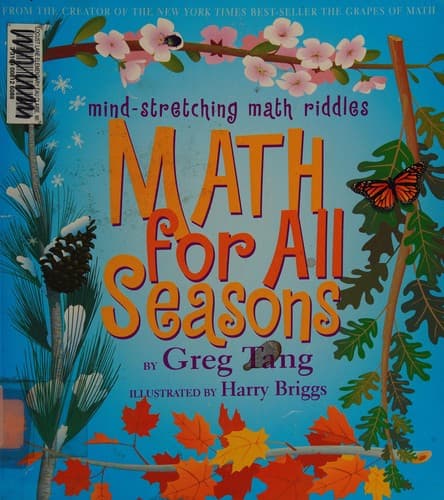
Math for All Seasons
A beautifully illustrated picture book of seasonal math riddles that teach children creative grouping and mental math strategies.
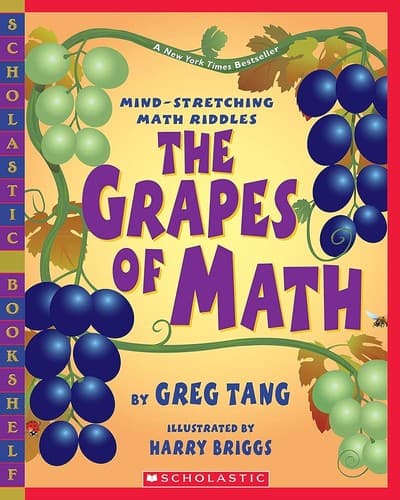
The Grapes of Math
A beautifully illustrated picture book that teaches creative mental math strategies through rhyming riddles and visual puzzles.
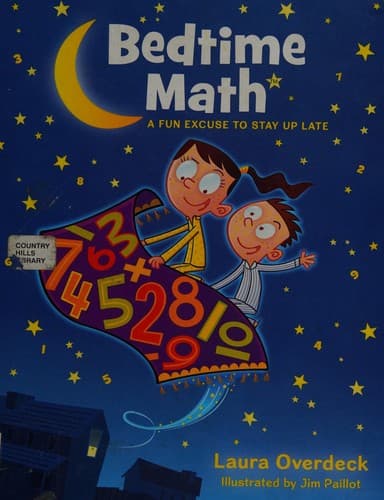
Bedtime Math: A Fun Excuse to Stay Up Late
A delightful book of quirky real-world math problems organized by difficulty level, perfect for making math a fun daily family routine.
Saxon Math 5/4
A classic incremental math curriculum for grades 3-5 that builds mastery through daily practice, review, and gradual introduction of new concepts.

Hooked on Math
The only math app with hands-on practice materials mailed to your door each month!

Math Flash Cards
Learn math facts with a wide variety of flash cards and box sets for any math learning needs
ABCya Kindergarten Games
Free educational kindergarten games and apps for kids.
ABCya 4th Grade
Wide selection of free Flash-based educational fourth grade games and apps for kids.
ABCya 1st Grade
Huge selection of free educational first grade games for kids.
ABCya 2nd Grade
Free educational second grade games and apps for kids.
ABCya 3rd Grade
Free 3rd-grade educational games across math, reading, typing, and art — solid downtime supplement, not a curriculum, and the ads are noticeable.
ABCya 5th Grade
Free Educational Fifth Grade Games and Apps for Kids.