Anatomy & Physiology
What is Anatomy & Physiology?
Anatomy & Physiology is the study of the structure and function of the human body. It is a vast and complex subject, and can be studied at many different levels. It includes the study of the various systems of the body, such as the skeletal, muscular, nervous, and endocrine systems, as well as the study of the individual organs, such as the heart, lungs, and brain.
A basic understanding of anatomy & physiology is essential for anyone working in the health professions, as it provides a solid foundation for further study. For those with a more general interest in the human body, anatomy & physiology can be a fascinating and rewarding subject.
Anatomy & Physiology Resources

The Human Body Coloring Book: The Ultimate Anatomy Study Guide (DK)
A hands-on DK anatomy study guide using coloring to teach all major body systems — ideal for grades 6 through adult learners.

Human Body: A Visual Encyclopedia (DK)
A beautifully illustrated DK encyclopedia covering all human body systems with photographs, CGI artworks, and infographics for young learners.

Total Health: Choices for a Winning Lifestyle (High School)
A comprehensive Christian-based high school health textbook covering anatomy, nutrition, fitness, mental health, substance abuse prevention, and more.
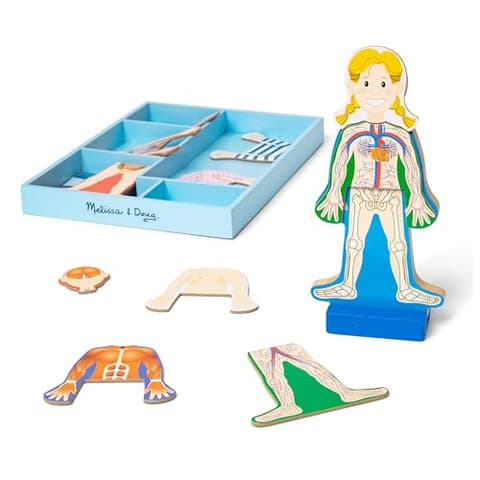
Melissa & Doug Magnetic Human Body Anatomy Play Set

DK The Human Body
A multi-award winning app that takes a ground-breaking look into the human body with highly accurate, visual and accessible information. The wonders of human anatomy are explored and explained in a way that offers hours of learning, fun and entertain...
Exploring Creation with Human Anatomy and Physiology (Young Explorer Series)
Finally! Apologia introduces an elementary level Anatomy book that gives glory to God as children discover what's going on inside their bodies! Take this in-depth journey into the anatomy and physiology of your body through Exploring Creation with Hu...
Anatomy and Physiology
Anatomy and Physiology is a dynamic textbook for the two-semester human anatomy and physiology course for life science and allied health majors. The book is organized by body system and covers standard scope and sequence requirements. Its lucid text,...
The Way We Work: Getting to Know the Amazing Human Body
This is an outstanding guide to the human body from one of the world's great illustrators! Ever wondered how we breathe, or why? Or what happens to broccoli once your teeth have finished with it? Or how your eyes turn at the same time and in the same...
The Magic School Bus: A Journey into the Human Body
Ms Frizzle and her students take Young Scientists on a wild ride into the human body with these breathtaking experiments. Young Scientists bend bones, make joints, map taste buds, expand lungs, build a stethoscope, measure lung capacities and heart r...
Anatomy & Physiology
Human Anatomy and Physiology is designed for the two-semester anatomy and physiology course taken by life science and allied health students.The app follows the scope and sequence of most Human Anatomy and Physiology courses, and its coverage and org...
Human Body
This entertaining approach to the human body engages young, inquisitive learners, while the depth of material gets older students ready for tests. Join Kevin and his friends Marko and Bailey for an enlightening adventure to explore the skeletal, nerv...

The Anatomy Coloring Book (4th Edition) | Coloring Concepts
The Anatomy Coloring Book (4th Edition) The Anatomy Coloring Book consists of colorable drawings of the human body arranged by system (bones, muscles,vessels, nerves, etc.) as well as colorable terms related to each drawing of structural detail....