Teaching Responsible Gaming Within Digital Citizenship Education
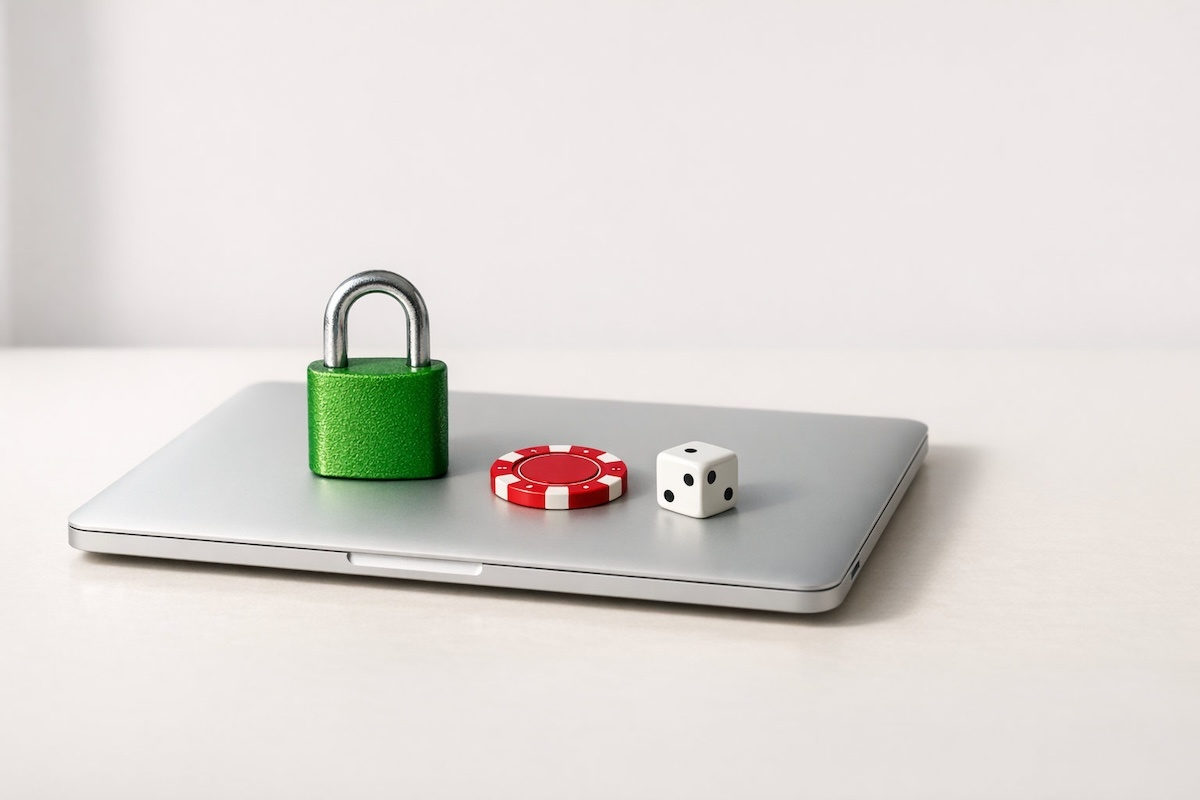
Responsible gaming is an essential component of digital citizenship education for learners. Understanding how games are designed to engage attention and offer rewards is important for navigating digital environments safely. Educators are increasingly emphasizing informed gaming as a key area within media literacy and digital well-being.
As digital entertainment becomes more prevalent, integrating responsible gaming into digital citizenship education provides learners with practical tools to manage their time, ensure account security, and practice safe online habits, such as maintaining secure sign-in processes when accessing platforms like yepcasino login. Concerns about the influence of online gaming highlight the importance of recognizing risk, understanding probability, and establishing safe behaviors. By including topics such as privacy, account protection, and the psychology behind online play, educators prepare students to critically assess digital platforms and engage with them responsibly.
Understanding responsible gaming’s place in education
Online entertainment often uses rapid reward cycles, interactive design, and easy access to keep users engaged. These elements can contribute to excessive time spent gaming, particularly when there are few barriers to entry and participation in games or activities based on chance.
Overwhelmed by all the options?
We built a grade-by-grade planner that shows you exactly what to cover — and which resources match your style.
Download the planner →Responsible gaming is closely linked with media literacy and self-management. When educators help students identify persuasive techniques used by digital platforms, they support the development of healthier online habits. Teaching self-management skills ensures learners make informed decisions regarding their time and use of online resources.
Explaining probability, house edge, and cognitive bias
Students benefit from learning the basics of probability, especially when interacting with games of chance. Understanding the difference between outcomes based on skill versus those based on luck encourages realistic expectations about gaming.
The concept of house edge is vital in responsible gaming education as it highlights why gaming systems do not guarantee winnings. Additionally, concepts like randomness, near-miss outcomes, and cognitive biases, such as the gambler’s fallacy, are important for students to recognize. These lessons support the development of critical thinking related to online games and gaming platforms.
Establishing risk boundaries and digital safety measures
Recognizing early signs of problematic gaming behaviors is essential for positive digital experiences. Learners can be encouraged to establish healthy routines by setting time and spending limits in general online activity, promoting balance and self-regulation before issues arise.
Maintaining a balance between digital entertainment and responsibilities, including school, family, and rest, helps prevent disruptions to daily life. Emphasizing privacy, strong password management, two-factor authentication, and careful login practices further supports responsible gaming and digital safety.
Applying practical learning and age-appropriate guidance
Classroom exercises such as run-throughs of probability, simulations, or discussion of real-life scenarios make the concepts of odds and risk more accessible to students. Providing digital safety checklists supports learners in practicing account security and responsible behaviors across various platforms.
Guidance on responsible gaming should be tailored to the learner’s age and maturity, especially when addressing relevant laws, ethics, and platform regulations. By approaching these topics through an educational framework, educators equip students to make informed, critical choices that strengthen their digital citizenship skills and ensure safer engagement with online gaming.
Learnamic Weekly Picks
Get handpicked learning resources, curriculum comparisons, and money-saving finds delivered to your inbox every week. Join thousands of homeschool families.
No spam, ever. Unsubscribe anytime.